Adobe Research · University of Rochester · Technical Report
EditStream
A Unified Autoregressive Framework for Interactive Video Generation and Editing
Yuqian Zhou1,*,†Zhenghong Zhou1,2,*,‡Zongze Wu1Cameron Smith1Richard Zhang1Jiebo Luo2Eli Shechtman1Zhe Lin11 Adobe Research 2 University of Rochester * first authors in random order ‡ work done during an internship at Adobe Research † project lead
Generation, transformation and editing on a single backbone
4steps
Denoising steps at inference, guidance-free
16fps
720p streaming throughput on a single GPU
14×
Faster than the multi-step teacher it is distilled from
EditStream — Adobe Research. Bringing magic to filmmaking, bringing life to the world around us.
Abstract
Interactive video generation and editing are becoming increasingly important for creative design. EditStream unifies multiple video creation and manipulation tasks within a single DiT-based model through flexible task-specific conditioning, and further transforms it into a fast, few-step autoregressive model for efficient streaming. It supports Text-to-Video, Image-to-Video, Video-to-Video, Editing Propagation, Reference-guided Video Editing, and Camera Pose Change — enabling flexible control over video generation, transformation, and editing within one system.
To make the unified model practical for interactive use, we develop a two-stage distillation approach that combines Velocity Moment Matching (VMM) with autoregressive unrolling. VMM matches conditional velocity moments at student-reached intermediate states to preserve generation quality and motion, while unrolling exposes the student to its own autoregressive predictions to improve temporal stability. Together, they alleviate common challenges in few-step autoregressive video generation — over-saturation, degraded motion, temporal instability, and complex training — and bridge high-quality diffusion-based video models with interactive creative workflows.
Method
One model for six tasks, taught to stream
Two ideas carry the work: a conditioning interface that admits every task through the same two ports, and a distillation recipe that reaches a causal few-step student without ever causalizing the teacher.
Two ports, decided by pixel alignment
Controls that share the output's pixel grid ride the channel axis — stacking them costs no attention length. Controls that do not are appended as tokens, where self-attention performs in-context transfer.
Unified conditioning. Every task reaches the same weights; only the port differs. Because pixel-aligned controls are stacked as channels rather than tokens, adding source video, a mask and a camera warp together leaves the attention cost identical to plain text-to-video.
Task
Conditioning
Port
Text-to-Video
prompt only
—
Image-to-Video
first frame locked at timestep 0
channel
Video-to-Video
source video
channel
Editing propagation
source video + edited first frame
channel + token
Reference-guided editing
source video + reference image
channel + token
Camera pose change
warped view + validity mask
channel
Obtain a streaming student
The teacher is first adapted toward the student's own generation pattern; the student is then distilled from it in two stages that optimise the same VMM objective, differing only in where the corrected state comes from.
Teacher Adaptation
Unified teacher
Full multi-step bidirectional DiT trained across all six tasks through the conditioning interface above.
25–50 steps · full attention
Block-wise teacher forcing
A mixture of full-sequence, first-block cold-start and prefix–suffix objectives: one 3-frame block is noised while its neighbours stay clean at timestep 0.
still bidirectional
Student Distillation
STAGE 1
VMM warm-up
Single-block Velocity Moment Matching against the teacher-forced teacher reaches a usable causal student — no precomputed ODE-trajectory dataset.
200 iters · vs ≈5,000 for ODE init
STAGE 2
VMM-Forcing unrolling
The student generates every block end-to-end through its own KV cache, exactly as at inference; the correction is queried along that self-generated trajectory.
800 iters · 4-step causal student
The correction, evaluated where the student actually is
An auxiliary model is trained online to track what the student currently produces. Subtracting it from the teacher leaves a residual that points from the student's distribution toward the teacher's — and it is read off at the student's own intermediate state, not at a state drawn from data.
Velocity Moment Matching. Because the residual is evaluated at a state the student itself reached, the objective never asks the student to imitate the teacher on inputs it would never encounter — which is the exposure gap that makes naive few-step distillation drift.
Results
One checkpoint, every task
All clips are recompressed for the web from native resolution. Comparisons below are pulled directly from the release's own evaluation sweeps.
01
Text-to-Video
Teacher (bidirectional, 25–50 steps) vs. a self-forcing baseline distilled from an ODE-pair init vs. our 4-step VMM-Forcing student — same prompt, same seed family, seven VBench-derived samples.
A detailed digital painting in the style of a realistic Japanese manga, capturing reflections in the window of a train traveling through the Tokyo suburbs. The train moves smoothly, passing through lush green fields and dense forests. Outside the window, the scenery blurs into a series of vivid colors—emerald greens, deep browns, and vibrant yellows. Inside the train, a young woman with long black hair and traditional Japanese clothing sits with a contemplative expression, gazing out the window. Her kimono is adorned with intricate patterns, and she wears a simple obi sash tied neatly. The train cabin is dimly lit, with soft shadows playing across the wooden seats. The background features a blurred yet recognizable landscape, with hints of Tokyo skyscrapers and cherry blossoms in the distance. A medium shot from a slightly tilted angle, emphasizing the reflection and the woman's serene expression.
A winter scene in a snowy forest, where a litter of playful golden retriever puppies emerge from the snow. Their heads pop out, their fluffy fur glistening in the sunlight, and they wag their tails joyfully. They are covered in snow, with some paw prints leading away into the deep snow. One puppy is burying its nose in the snow, while another chases a small ball that has rolled nearby. The background shows dense evergreen trees and a gentle slope leading up to a clearing. The air is crisp and cold, with tiny snowflakes falling gently. A close-up shot from a slightly elevated angle, capturing the lively and energetic moment.
A nature-inspired illustration in a soft watercolor style depicting five playful gray wolf pups frolicking and chasing each other along a remote gravel road. The pups run and leap, their tails wagging joyfully as they chase and nip at one another. They are covered in a fine layer of dirt and grass, adding to their lively energy. The background is filled with tall grass swaying gently in the breeze, with a few wildflowers scattered about. The sun casts warm, golden light over the scene, creating a serene and natural atmosphere. A dynamic close-up from a low angle, capturing the wolves' playful antics.
A realistic archaeological excavation scene in a vast desert, where archeologists meticulously uncover a generic plastic chair buried under layers of sand. They carefully brush away the dust, their focused expressions conveying the importance of their discovery. The chair, though simple, appears slightly worn and faded. The background showcases the harsh, barren landscape of the desert, with dunes stretching into the distance. The sun is setting, casting long shadows and adding a sense of timelessness to the scene. A close-up shot from a slightly lower angle, emphasizing the detailed work of the archeologists and the weathered chair.
A vibrant and lively scene in Burano, Italy, captured in a direct camera angle. The colorful buildings with their distinctive pastel hues dominate the background, creating a picturesque Venetian atmosphere. On the ground floor, a cute Dalmatian peers out through a window, its curious gaze catching the attention of passersby. Pedestrians and cyclists move gracefully along the canal streets in front of the buildings, adding to the bustling yet charming ambiance. The photo has a warm, nostalgic feel, with the Dalmatian standing out against the vivid backdrop. A medium shot capturing the street life and the building details.
A scenic photograph capturing the moment a steam train departs from the Glenfinnan Viaduct, a historic railway bridge in Scotland. The train moves gracefully over the arch-covered viaduct, its smoke billowing into the air. The landscape is lush with greenery, and towering rocky mountains frame the scene, creating a picturesque backdrop. The sky is a clear, bright blue with the sun shining down, casting a warm glow on the train and the surrounding scenery. The viaduct itself is a striking feature, with intricate ironwork and a verdant setting. The photo has a classic, nostalgic feel, emphasizing the natural beauty and historical charm of the location. A wide-angle shot from a slightly elevated angle, capturing both the train and the expansive landscape.
A vibrant and lively vlog-style photo of a corgi in tropical Maui, showcasing the dog energetically filming itself on a sandy beach. The corgi stands on the shore, one paw slightly lifted, with a joyful and curious expression. It wears a colorful collar and a small backpack camera slung over its neck. The background features a lush, palm-fringed beach with clear turquoise waters and a bright blue sky. The photo has a warm, natural lighting effect, capturing the corgi from a slightly elevated angle, emphasizing its playful and adventurous spirit.
A macro shot of a volcanic eruption in a coffee cup, capturing the dramatic moment in vivid detail. The coffee cup is filled with rich, dark brown liquid, and the surface is suddenly disrupted by a burst of foam and steam, mimicking the intense heat and pressure of a real volcanic eruption. The foam rises and spreads across the surface, creating a chaotic yet mesmerizing pattern. The cup itself is made of ceramic, with intricate patterns etched into the sides, adding texture and depth to the scene. The background is a blurred gradient of warm browns and grays, enhancing the focus on the erupting foam. The lighting is dramatic, casting shadows and highlighting the dynamic movement of the foam. A close-up shot from a low angle, emphasizing the explosive nature of the eruption.
02
Video-to-Video
A 30-second interview clip, edited end-to-end in a single causal streaming pass — one instruction rewrites the entire scene while identity, pose and delivery stay untouched. Drag the divider to compare source and edit frame-for-frame; use the arrows to step through styles.
SourceEditStream
Generate
03
Reference-guided Editing
Teacher vs. KiwiEdit (showlab/Kiwi-Edit, stage3_refvid_only) vs. our VMM student, on RefVIE / RefEdit Bench — a reference image supplies the new subject or background through the token port, the source video supplies everything else through the channel port.
Reference image+Source video
TeacherKiwiEditEditStream — VMM (ours)
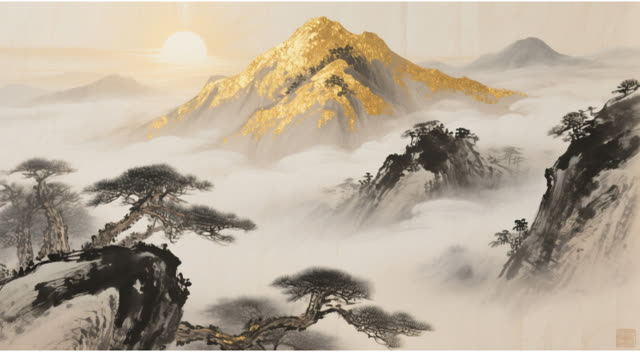
Replace the background with a Chinese ink painting, featuring a large golden mountain peak rising above swirling clouds, ensuring it appears in the same position and pose within the video scene.
Reference image+Source video
TeacherKiwiEditEditStream — VMM (ours)
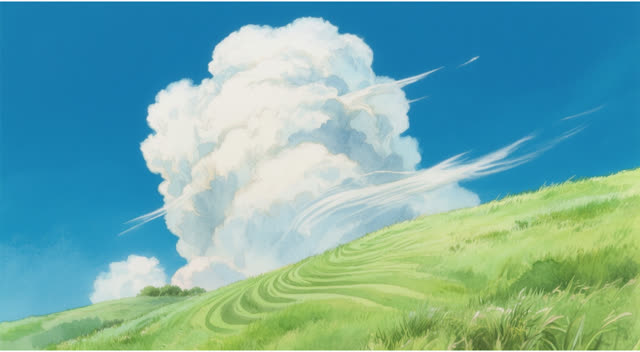
Replace the background with a serene anime-style landscape, featuring a massive, fluffy cumulonimbus cloud towering over a windswept grassy hill, ensuring it appears in the same position and pose within the video scene.
Reference image+Source video
TeacherKiwiEditEditStream — VMM (ours)
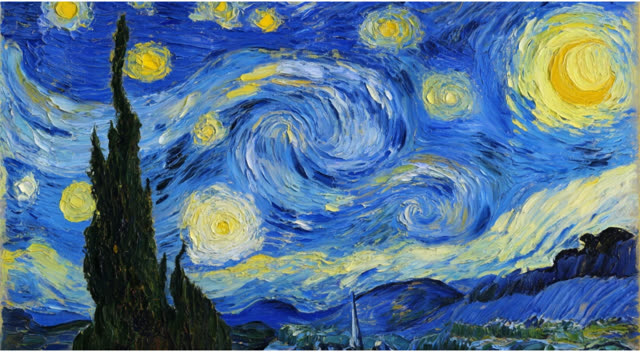
Replace the background with a Van Gogh style oil painting, featuring a swirling blue starry night sky and a dark cypress tree, ensuring it appears in the same position and pose within the video scene.
Reference image+Source video
TeacherKiwiEditEditStream — VMM (ours)
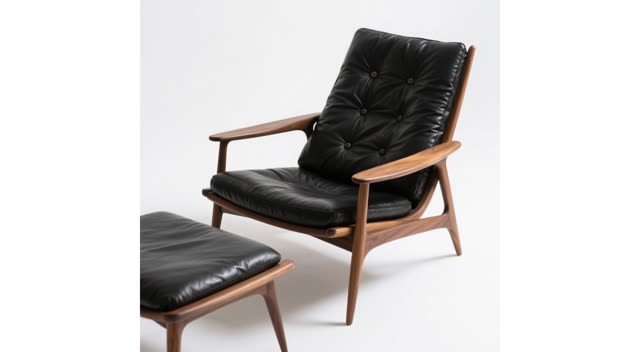
Replace the sofa with a mid-century modern lounge chair with an ottoman. All other parts of the video must remain unchanged.
Reference image+Source video
TeacherKiwiEditEditStream — VMM (ours)
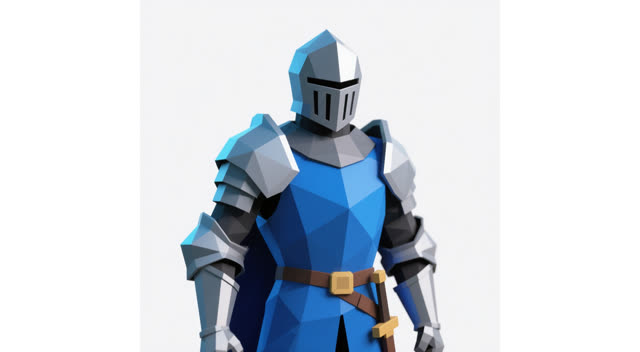
Replace the man with a low-poly 3D model of a medieval knight. The character is composed entirely of sharp, faceted geometric triangles. Flat lighting, vibrant colors (blue tunic, silver armor). All other parts of the video must remain unchanged.
Reference image+Source video
TeacherKiwiEditEditStream — VMM (ours)
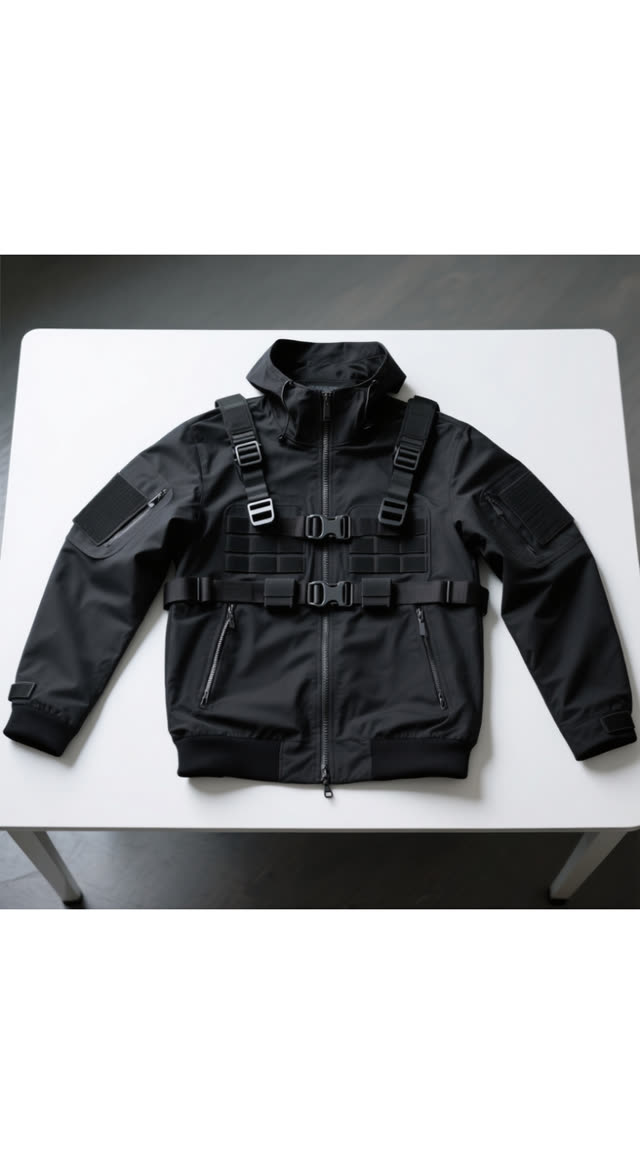
Replace the girl's cloth with a matte black techwear tactical jacket. All other parts of the video must remain unchanged.
Reference image+Source video
TeacherKiwiEditEditStream — VMM (ours)
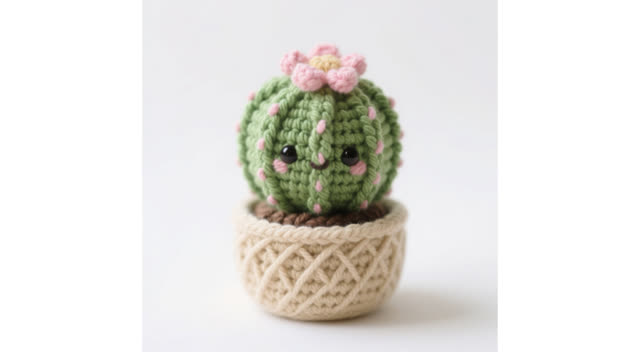
Add a small handmade amigurumi crochet cactus sitting in a beige yarn pot next to the window. All other parts of the video must remain unchanged.
Reference image+Source video
TeacherKiwiEditEditStream — VMM (ours)
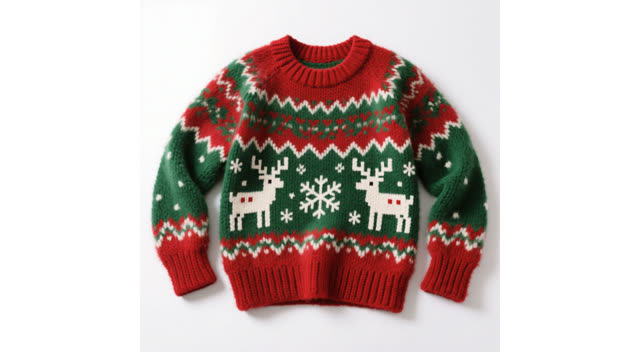
Replace the man's outfit suit with a festive 'ugly' Christmas sweater. All other parts of the video must remain unchanged.
04
Camera Pose Change
ReShoot: any video, reconstructed in 3D from the single input on the left. Both results on the right are EditStream — the same reconstruction replayed along two different camera trajectories: a wide S-curve orbit that sways and pushes in, and a straight orbit around the subject.
GenPropBench, prompt-guided: an edit is made to the first frame, then propagated through the entire clip in one streaming pass.
Input+Edited first frameEditStream — propagated
Change aspect ratio from vertical to widescreen, revealing more landscape on both sides.
Input+Edited first frameEditStream — propagated
Remove the person’s legs and feet, preserving original background and motion.
Input+Edited first frameEditStream — propagated
Change video aspect ratio to widescreen, revealing more background on both sides.
Input+Edited first frameEditStream — propagated
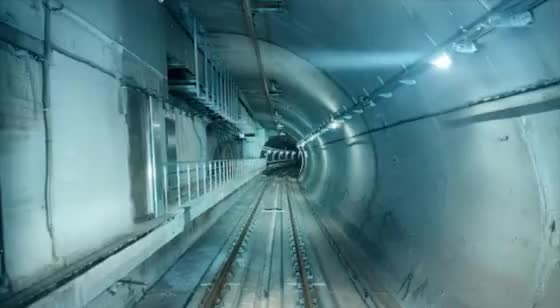
Change aspect ratio from vertical to horizontal, revealing more tunnel sides.
Input+Edited first frameEditStream — propagated
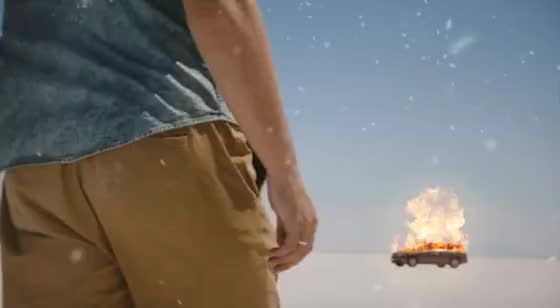
Add fire and flames to the car and overlay falling snow, preserving original background and motion.
Input+Edited first frameEditStream — propagated
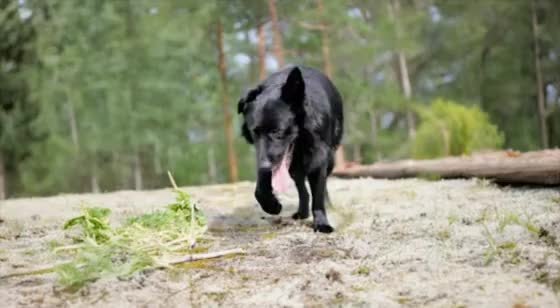
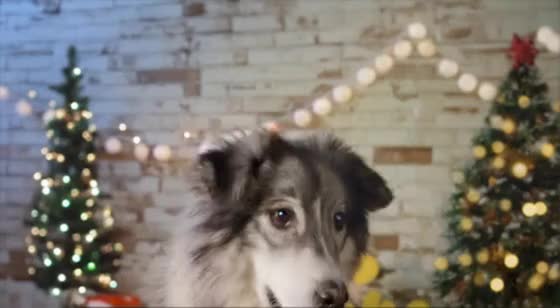
Remove the conical hat from the dog's head, preserving original background and motion.
Input+Edited first frameEditStream — propagated
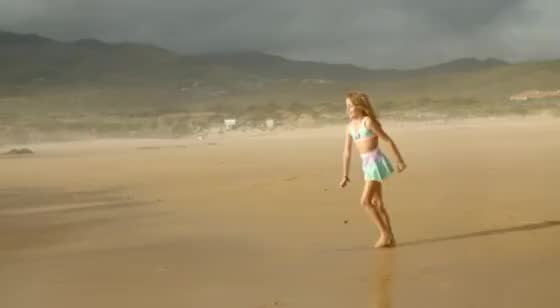
Remove the boy in red shirt, preserving original background and motion.
Input+Edited first frameEditStream — propagated
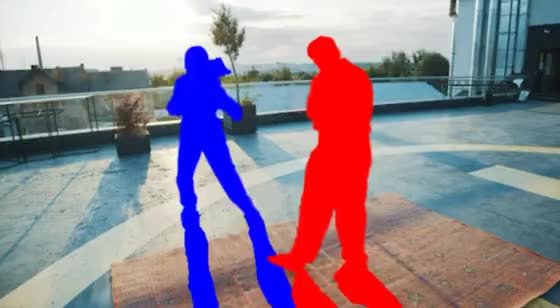
Recolor the left person blue and the right person red, preserving original background and motion.
Citation
editstream.bib
@misc{zhou2026editstream,
  title  = {EditStream: A Unified Autoregressive Framework
            for Interactive Video Generation and Editing},
  author = {Zhou, Yuqian and Zhou, Zhenghong and Wu, Zongze and
            Smith, Cameron and Zhang, Richard and Luo, Jiebo and
            Shechtman, Eli and Lin, Zhe},
  year   = {2026},
  eprint = {2608.21424},
  archivePrefix = {arXiv},
  primaryClass  = {cs.CV}
}
Acknowledgements
Thanks to Kai Zhang, Zhonghao Wang, and Yuchen Liu for their contributions to the VMM algorithm, and to Hailin Jin, Sylvain Paris, John Yang, Cynthia Lu, Jianming Zhang, Ashwin Ramesh, and Yiru Shen for discussions, guidance, and support throughout the development of the distillation framework.